Posts

PLC 3

Image
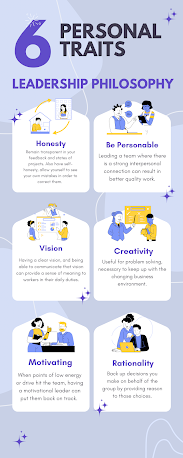
PLC 3: Personal Leadership Philosophy 3 Leaders In My Life Karine Sergerie. Karine is a taekwondo olympian, she fought for canada twice during her olympic career. The club I trained at had her come in multiple times where she led week long training camps, I’ve always admired her greatly. One characteristic she holds is the ability to motivate. If it was the last day of the camp, and everyone was tired and low effort, she would bring her energy up in a way that actually increased our own. Calling us out by name, or asking us what our goals are were ways she motivated us. Another was her ability to maintain a very personal level relationship with each individual training under her. Although there might have been 30-40 of us, she knew our names, and the things we shared in the group she would remember and follow up with us later about. She also had very personal compliments (and criticisms) for us making it feel like she really cared about your development as an athlete. Kate Noseworthy...
 PLC Planning Assignment   Personal Mission Statement      Currently I have qualities of creativity, logic, and motivation. I'm in an earlier stage of my life, so I'm young and have fresh ideas. I'm in the process of learning and growing, both in academics and in my own personal life.   My purpose is to create things, having an idea and working consistently to see it come to life is what i am passionate about. Whether it is side hustles, art projects or schoolwork I try my best to produce quality things that hold value in my life. I'm passionate about economics and philosophy, and am a big believer in "the more you learn, the less you know" so I enjoy learning and being challenged. I do not believe I am in a career position that uses my full potential yet, but once I find the correct fit I can apply my values of being an intrapreneur, as well as a leader to help others.  Personal Vision Statement     In the future I will utilize my posit...
 Post 5: Term "Toxic Workplace" Overused? This article relates the term toxic workplace to a number of other buzzwords, pointing out that it may be becoming used too much and in situations where it isn't applicable. It also speaks about the growing importance of employer image, consumers care more than ever about how a company treats their employees, this is where trouble can arise. certain organizations have faced backlash or cancelling due to specific isolated incidents, that don't necessarily reflect the company as a whole. the term has been said to be "hyperinflated" and is being used as an umbrella term to throw at situations whenever something goes wrong. social media might be to blame for this, as it's online that this term really took off and became a common term. this is troubling, because now workplaces that actually do struggle with a toxic environment are being lumped together by this term, which is being thrown around loosely. this means peo...

Post 4: Toxic Workplace: Remote Work and Politics

  To Summarize      This 2023 article reflects on the Covid-19 Pandemic accompanied by the mainstream switch to remote work. It's pointed out that while politics in the workplace have existed forever, these can just as easily occur virtually, for better or for worse. Working remotely can cause difficulties for employees to get quality time with their supervisors, leading them to make other attempts at getting attention. Boyle and Bloomberg make it clear that political behaviour such as sabotaging, blaming, back stabbing and excessive flattering are all things that can be transferred over to the virtual workplace. If anything, this separation of communication can make it even less clear what behaviour is genuine, or calculated. Expecially when employee feedback is limited, it could make sense why workers might feel inclined to, as they put it, "suck up." Some statistics are brought up, showing that 2 in 5 office workers considered leaving their organization over the b...

Post 2: Preventing A Toxic Workplace

 Preventing a Toxic Work Environment              T his 2023 Success article outlines 3 main ways managers can stop their workplace from becoming toxic. First it's explained that toxic work environments lower engagement and employee performance. Gloria writes that when keeping an eye on your employee's behaviour, awareness is the most important aspect. Keeping a close eye, and creating space for open communication will drastically improve chances of spotting toxicity and preventing it from growing.                The first method touched on is personal connection to the team. As a leader, getting to know your team on a more personal level helps to understand how they are feeling. By actively listening to their concerns and interests, You'll be able to notice when problems arise before they have detrimental effects.               Secondly, take cultural input ...

Toxic Workplace: Blog post 1

 Forbes Article Summary In this 2023 article, Shuster outlines the 7 key traits that determine a workplace to be toxic, as well as the dangerous impact this can have on an organization. She highlights that often only after a workplace experiences turnover and scandal, do they realize the root cause was the toxic environment. One example brought up is general disrespectful behaviour, between coworkers or between levels of management. Another trait is the habit of secrecy, or poor communication with the ill intentions. It is also noted that if the overall stress level in the environment is high, the reason for this might run deeper than just large workloads. The 4th toxic trait mentioned is excessive micromanaging, as this often leads to resentment in staff towards their leadership. The idea of favouritism is also touched on, and its detrimental effects on employees who are treated as lesser than. Another toxic trait is a lack of accountability, which can lead to blame shif...